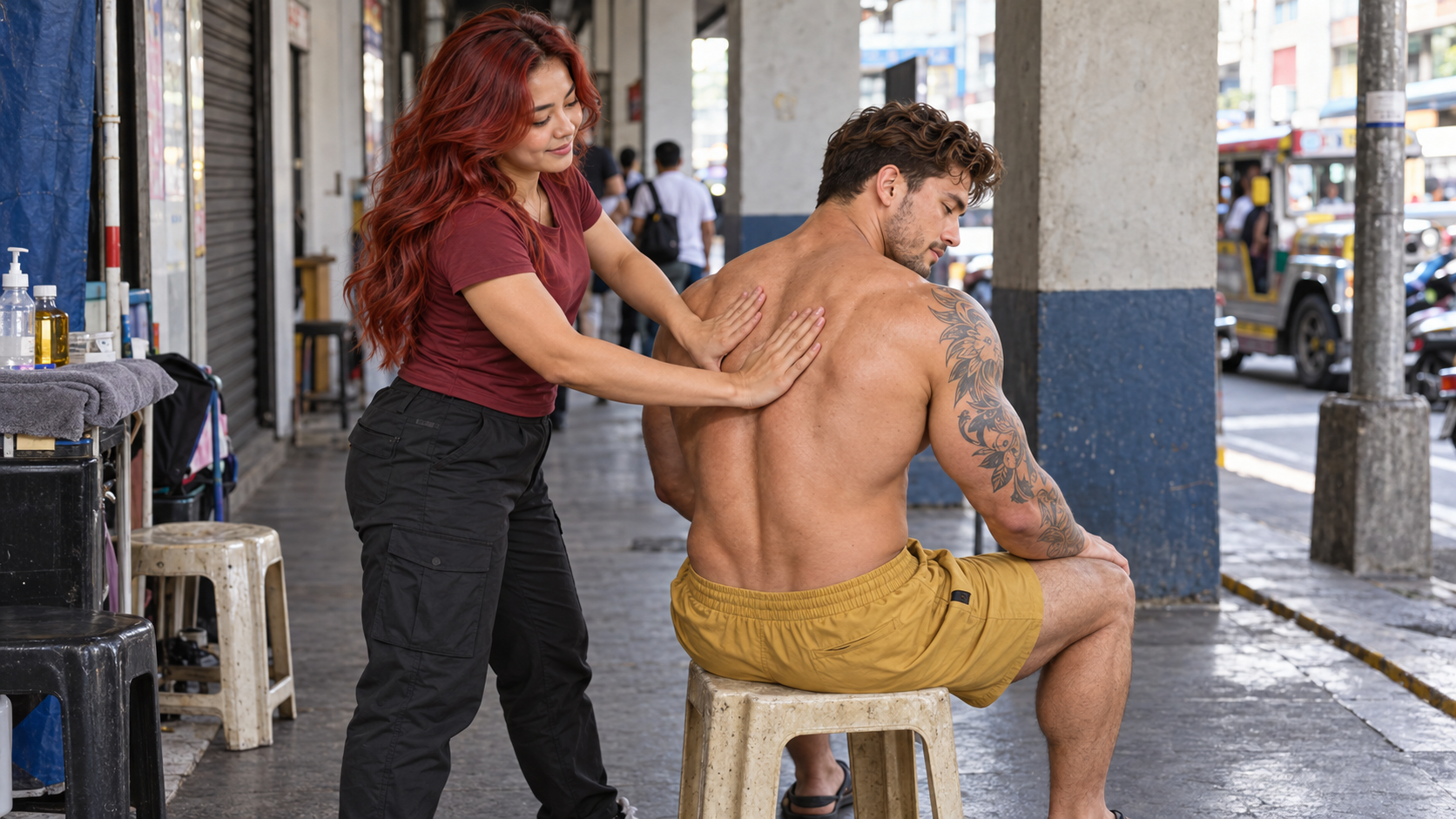


Soreness after a massage is common, particularly following deep tissue or sports massage. This response may be a normal part of the body's adjustment to therapeutic work. It may also indicate that the pressure or technique was too strong for your needs. Identifying the difference allows you to care for yourself and communicate clearly with your therapist.
It is useful to distinguish between productive soreness and discomfort that signals a problem.
What Is Normal Post-Massage Soreness?
It is very common to feel some degree of soreness after a massage. This is often compared to the delayed onset muscle soreness (DOMS) people experience after a workout.
Why It Happens
Massage, particularly with deeper pressure, addresses tight muscles, breaks up adhesions, and improves circulation. This process can create small, brief changes in muscle fibers, similar to those that occur during exercise. As the body repairs these areas, you may notice:
A dull, achy sensation
Stiffness or tenderness when moving
General fatigue in the worked muscles
This type of soreness usually peaks within 24 to 48 hours and then gradually improves. Many people describe it as a sense that the muscles have been worked in a useful way.
Characteristics of Normal "Good Pain"
The soreness feels deep and achy rather than sharp or stabbing.
It is manageable and does not stop you from daily activities.
Once the soreness fades, you may notice increased relaxation and less muscle tension.
It improves with gentle movement, hydration, and rest.
There is no bruising, swelling, or numbness.
This kind of soreness often indicates that the massage addressed areas of chronic tension. Over time, you may learn to recognize this response as a sign that the technique was appropriate.
When Soreness Indicates Bad Technique or Excessive Pressure
Not all post-massage soreness is helpful. Discomfort may result from pressure that is too intense, applied for too long in one area, or delivered with poor technique. In these cases, soreness may indicate a problem rather than a benefit.
Signs of Problematic Soreness
Observe for the following warning signs:
Sharp or stabbing pain that persists or worsens instead of fading
Bruising that appears and lasts more than a couple of days.
Pain that increases significantly after 48 hours rather than improving
Numbness, tingling, or weakness in the affected area
Swelling or inflammation that does not subside
Feeling significantly worse overall (more tense, more pain, less mobile) days later
If you notice any of these signs, review the session and consider whether the pressure or technique matched your needs at that time.
During the Massage: Red Flags to Notice
Warning signs may also appear during the massage. Notice if:
The pressure is sharp or burning rather than a relieving ache.
You find yourself tensing up or holding your breath.
The therapist continues deep work even after you have given feedback that it is too much.
You feel pain in areas far from where the therapist is working.
A skilled therapist checks in regularly and adjusts technique in response to your comments. If the therapist doesn't acknowledge your input, consider pausing or ending the session.
How to Respond If You Experience Bad Soreness
If you suspect soreness is due to excessive pressure or poor technique, take the following steps:
Rest and use gentle movement. Avoid intense activity for one or two days. Light walking or gentle stretching may help. Do not continue if you feel sharp pain.
Hydrate well.- Water supports the body’s restorative mechanisms.
Apply heat or cold as needed. Warmth may soothe post-massage soreness. Cold may be useful if there is inflammation.
Contact the therapist or spa. A professional therapist values feedback and may adjust future sessions based on your experience.
Consider seeing a healthcare provider. If pain is severe, lasts more than a few days, or is accompanied by numbness or swelling, consult a doctor to rule out injury.
How to Reduce the Chance of Bad Soreness
There are steps you can take before and during the massage to reduce the risk of excessive soreness:
Communicate your pressure preferences clearly, especially if you are new to massage or have sensitive areas. Use specific language to describe what you need. Simple, direct requests help ensure your needs get understood.
Begin with moderate pressure if you are unsure. Increase only if the sensation is comfortable and productive.
Select experienced therapists. Look for practitioners whose reviews mention technique, pressure control, and communication.
Share your history honestly. Report prior injuries, chronic pain, or sensitivity during intake.
Pay attention to your body's response during the session. Speak up immediately if something appears uncomfortable.
A good massage should leave you feeling improved, even if there is some temporary soreness. If you consistently feel worse after sessions, consider trying a different therapist or massage style.
Final Perspective
Mild to moderate soreness after a massage is common and may indicate that tight muscles were addressed. The important distinction is in the quality and duration of the discomfort.
Productive soreness is typically dull, achy, and improves within a few days. Soreness from excessive pressure or poor technique is often sharper, lasts longer, and may be accompanied by bruising or other warning signs.
Pay attention to your body's response and communicate clearly with your therapist. These steps help reduce the risk of unnecessary pain or harm.
Your body's feedback is useful information. Use it to guide your decisions.
This article is for educational purposes. It is not a substitute for professional medical advice. If you experience severe or persistent pain after a massage, consult a qualified healthcare provider.