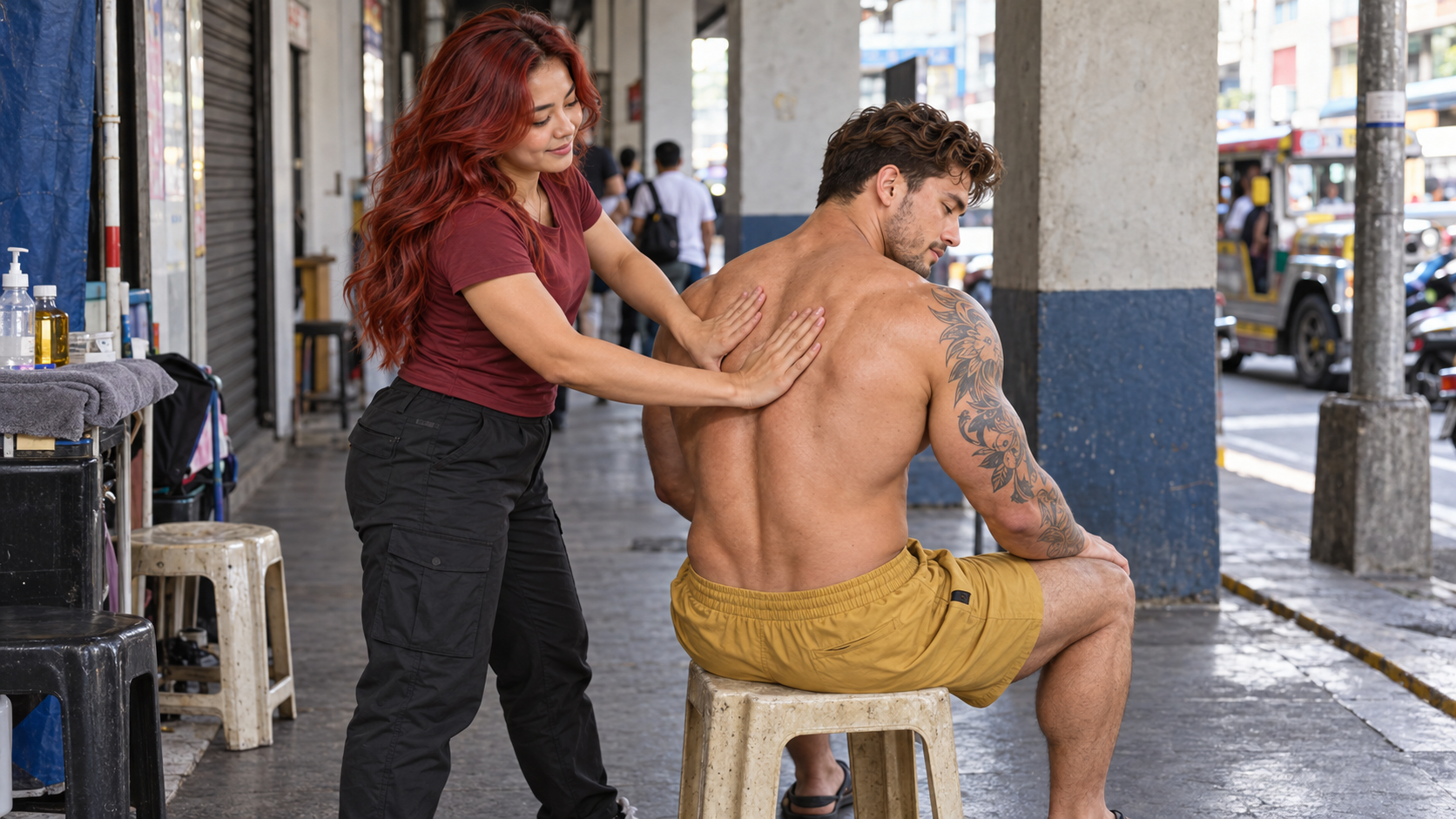


Having diabetes doesn’t mean you need to miss out on the comfort of a good massage. Maraming tao with diabetes still enjoy massage safely and comfortably. What matters most isn't the diagnosis itself, but how diabetes may have changed your sense of touch, circulation, skin, awareness of blood sugar, or how your body feels in different positions and with different kinds of pressure.
Remember, two people with the same diagnosis can have very different needs. One person might not have any nerve or skin issues at all, while another might have numb feet, a slow-healing wound, an insulin pump, frequent low blood sugar, or sometimes feel dizzy when standing up. When you book your appointment, it helps to mention these things gently, so you don’t feel vulnerable or uncomfortable later on. It’s always okay to speak up for your own comfort.
This article provides general information and serves as a gentle reminder, not as a replacement for the advice your doctor can give you. In cases where you have any serious diabetes-related complications or if you're unsure whether massage is appropriate for you, it's always best to consult your healthcare professional who is familiar with your individual situation.
Diabetes alone doesn’t tell the whole story when it comes to safety.
Massage therapy is usually regarded as low risk, provided a qualified practitioner gives it. The U.S. National Center for Complementary and Integrative Health, however, notes that certain medical conditions may require additional precautions. There have been, in rare cases, reports of serious injury resulting from vigorous massage, and it is necessary not to give a massage over skin that is weak or wounded.
For most people, the main thing to watch for is complications, not just the diagnosis itself. Before you book, notice any issues like skin or foot problems, frequent low blood sugar, or devices that might need extra care. If you feel your loss, you should be more careful with pressure.
If sensation is reduced, pressure deserves more caution.
Peripheral neuropathy may cause numbness, tingling, burning pain, abnormal sensitivity, weakness, or a loss of the ability to sense heat, cold, and injury. It usually involves the feet and the lower legs. Since sensation is diminished, the question 'Does this pressure hurt?' becomes a less dependable way of ensuring safety since the patient may not feel excessive pressure as they usually would.
Having neuropathy doesn’t mean you have to give up massage. What helps is letting your therapist know which areas are affected before you start. Sometimes, a lighter or gentler touch is safer for spots with less feeling. It’s always better to follow your medical advice than to ask for more pressure just because you don’t feel pain.
If your feet or legs are extra sensitive instead of numb, even a gentle touch might feel uncomfortable. Let your therapist know what feels normal for you, and it’s perfectly okay to skip any areas you’d rather not have touched. Your comfort comes first. Discussion.
Because diabetes can cause nerve damage, small injuries may be difficult to notice, and poor circulation can make wounds heal more slowly. The National Institute of Diabetes and Digestive and Kidney Diseases advises people to check their feet daily for cuts, sores, red areas, blisters, swelling, warm spots, and other changes.
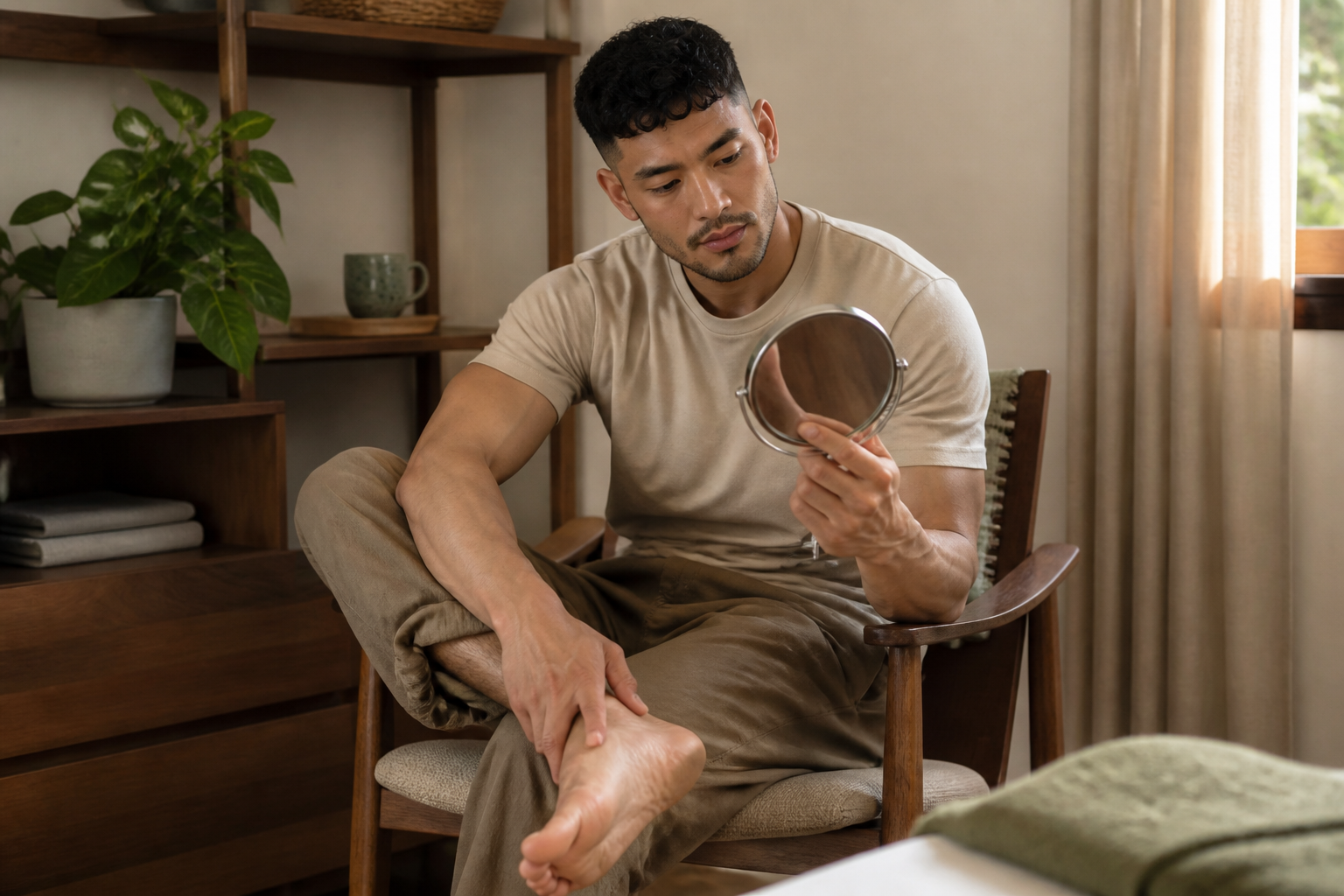
Foot care is a major part of the conversation.
Before you have a foot massage, reflexology, or any treatment for your lower legs, take a moment to check your feet. If you see an ulcer, open wound, infection, redness, or damaged skin, please don’t push through with the treatment. Avoid massaging wounds or fragile skin. If you notice anything that worries you, it’s kinder to yourself to let your healthcare professional check it first.
It’s also helpful to ask what the spa usually does before your treatment. Some places start with a hot foot soak, but the NIDDK (National Institute of Diabetes and Digestive and Kidney Diseases) suggests washing your feet in warm (not hot) water and skipping the soak, since soaking can dry out your skin. If you have neuropathy or foot problems, it’s always okay to say no to the hot soak or to ask for just a short, comfortably warm wash instead.
If you have trouble sensing temperature, be extra careful with heat.
Although hot stones, heated packs, quite warm towels, heated tables, and hot foot baths may have a soothing effect, a decreased sense of temperature does alter the risk. The NIDDK cautions that individuals with nerve damage due to diabetes might burn their feet without realizing it and recommends keeping their feet away from heating pads, hot water bottles, heaters, and other strong heat sources.
If you know that some areas don’t feel temperature well, let your therapist know before using any heat. You can always skip the heated accessories for those spots. Remember, a treatment isn’t better just because it’s hotter—comfort is the goal. Are at risk.
Low blood sugar is especially important for individuals using insulin or drugs that cause the body to release more insulin. The U.S. Centers for Disease Control and Prevention defines a blood glucose level below 70 mg/dL as low and advises treating it immediately. Typical symptoms may be shaking, sweating, hunger, dizziness, anxiety, irritability, a rapid heartbeat, weakness, or confusion. In some cases, people become unaware of hypoglycemia and may have very few, if any, warning signs.
Massage rarely causes low blood sugar; rather, low blood sugar can occur during a lengthy appointment if you are already at risk, perhaps due to your medication schedule, missed meals, exercise, alcohol, illness, or other factors.
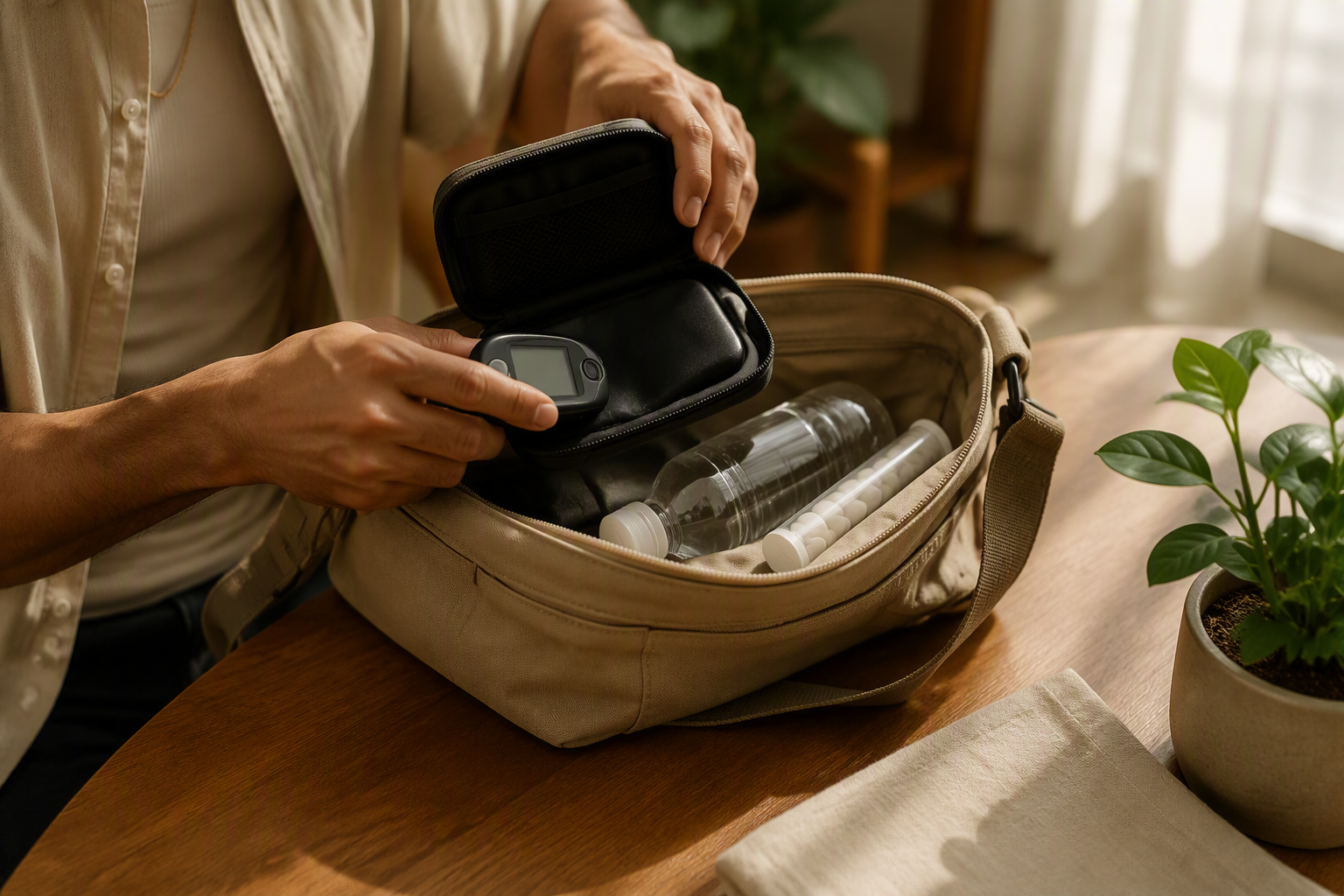
If you're susceptible to low blood sugar, stick to your usual diabetes plan. Bring your fast-acting carbs or glucose supplies if you use them. If your blood sugar is low when you arrive, or if you feel any symptoms, take care of that first before starting your massage. The CDC suggests the 15-15 rule for many adults: take 15 grams of fast-acting carbs, wait 15 minutes, then check your blood sugar again. Of course, follow your own care plan if that’s what works for you. Signs of an inability to swallow safely, a seizure, or loss of consciousness are an emergency and not a minor matter.
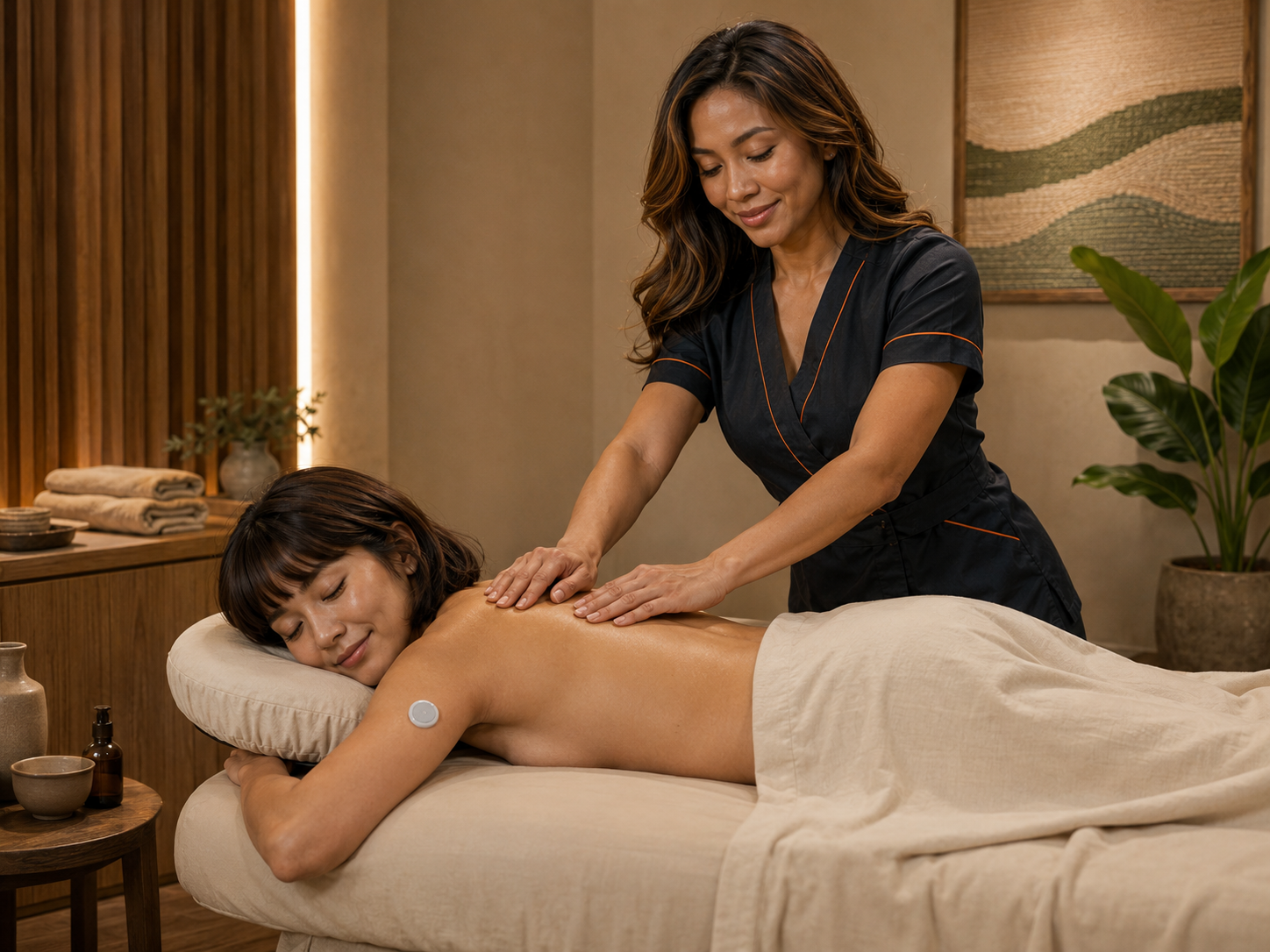
Inform the therapist regarding the pumps.
Let your therapist know about any pumps or glucose sensors you’re using. CGM monitors, insulin pumps, infusion sets, and wearable pods can make arranging a massage appointment complicated, but the therapist should know where they are. The objective is to avoid pressing directly on them, dragging across them, pulling on them, or accidentally dislodging the device or its adhesive.
Pressure may also affect certain CGM readings. For instance, Dexcom cautions that pressure applied to the sensor—such as lying directly on it—can temporarily affect the readings. Since the device instructions differ from manufacturer to manufacturer, your own user guide is still the definitive source for your equipment.
Before you get on the table, show your therapist where your devices and tubing are. If lying on your front puts pressure on a sensor or pod, ask for extra pillows, a different position, or anything else that helps you stay comfortable. Your therapist should work with your devices, not treat them as something to ignore.
Dizziness after lying down isn’t always just from getting up too quickly.
Autonomic neuropathy can affect how the heart rate and blood pressure respond. The NIDDK points out that in some cases, people may feel dizzy or faint when going from lying or sitting to standing; it may also cause a lack of awareness.
If this happens, let your therapist know before your session. After your massage, take your time getting up—sit first, pause, and only stand when you feel steady. Your therapist can give you all the time you need, as long as they know what’s going on—no need to rush.
When it’s best to wait and ask your doctor first
The statement "I have diabetes" is different from "I am medically stable about this particular treatment today". If you have an active foot ulcer, infected or severely damaged skin, a foot that is unexpectedly hot or swollen, a wound that is not healing, or another acute issue that your health team is assessing, then you should put off the massage and seek appropriate medical advice.
It would also be reasonable to ask your clinician before getting a massage if you have advanced neuropathy, serious circulation problems, a history of serious foot ulcers or amputation, recurrent severe hypoglycemia, frequent fainting or major changes in blood pressure, or any other complication which makes pressure, heat, positioning, or skin injury more significant.
If you’re feeling unwell—like if you have vomiting, trouble breathing, confusion, or any symptoms your diabetes care plan says are urgent—please cancel your appointment. Massage can always wait. Your health comes first, always.
What to tell the therapist before the session
You don’t have to share your whole medical history at the front desk. Just let your therapist know anything that might affect your treatment. Here are some things that are helpful to mention:
whether you have numbness, neuropathy, unusual sensitivity, or reduced heat sensation;
areas with wounds, ulcers, redness, swelling, recent procedures, or fragile skin that must be avoided;
whether you use a CGM, insulin pump, pod, infusion set, or other attached device and where it is located;
whether you are prone to low blood glucose and what you normally do if a low occurs;
whether lying flat or standing after lying down makes you dizzy;
The instructions your clinician has told you regarding pressure, heat, foot care, circulation, or activity.
Your therapist doesn’t need to diagnose or manage your diabetes. Their job is to listen, respect what you share, and adjust or stop the massage if something doesn’t feel right.
During and after your massage, keep the conversation open and relaxed.
Having diabetes doesn’t mean your massage has to feel like a medical exam. Most of the time, simple and gentle checks are enough: Is the pressure okay? Is the temperature comfortable? Is your sensor all right? Do you want a break? These little check-ins help keep things comfortable.
After your massage, if you notice any areas with less feeling—especially your feet—give them a quick check instead of waiting for pain. Look for redness, skin changes, swelling, or any issues near your device or adhesive. Keep up with your usual glucose checks, and don’t expect the massage to change your blood sugar in any special way.
We want to make massage feel safe and not frightening.
People with diabetes deserve to enjoy ordinary, relaxing experiences—hindi lang diagnosis, tao muna. Good safety isn’t about making things scary. It’s about noticing the little details that matter and making gentle adjustments so you can relax. Check your skin and feet, plan for lows if needed, point out your devices, and speak up about numbness, heat sensitivity, or dizziness. When you handle these details with care, the focus shifts from restriction to making the massage fit you.